
Torsion Springs 101: How a Garage Door Torsion Spring System Works
Learn how a garage door torsion spring system works, how long springs last, signs of failure, and why spring replacement requires a professional.
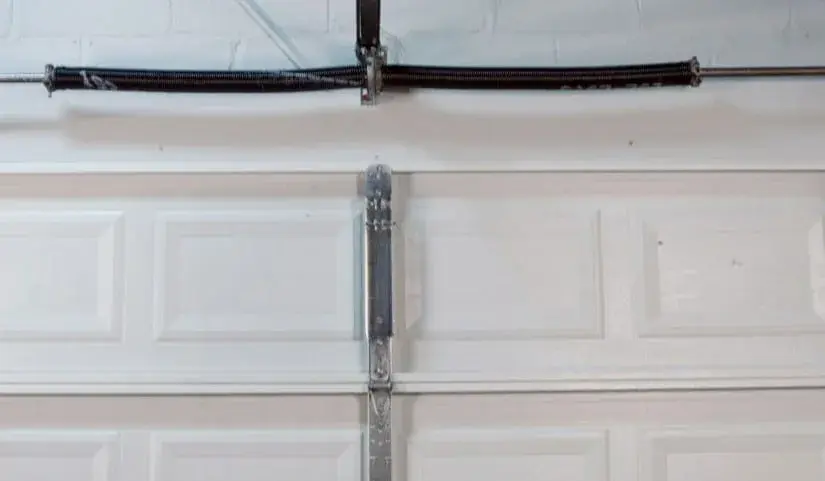
A garage door torsion spring system helps lift the door by storing and releasing rotational energy. One or two coiled springs sit on a shaft above the opening, working with cables and drums to counterbalance the door’s weight. Understanding the system helps you recognize wear and know when to call a professional.
Parts of a Garage Door Torsion Spring System
Several components work together to lift and lower the door:
- Torsion springs: Store and release energy to help lift the door.
- Torsion shaft: Transfers the springs’ rotational force to the cable drums.
- Bearing plates: Support the shaft and allow it to rotate.
- Cable drums: Wind and unwind the lift cables.
- Lift cables: Connect the drums to the bottom of the door.
- Winding and stationary cones: Secure the springs to the system’s hardware.
When these parts work correctly, the spring system counterbalances the door. A damaged spring, worn cable, or faulty drum can affect movement even when the opener is working.
How Do Torsion Springs Work?
As the garage door closes, the springs twist and store energy. When the door opens, they release that energy through the shaft, drums, and cables, helping raise the door.
This counterbalancing action reduces the force required from the opener. Without properly matched springs, the door may become difficult to lift and the opener may experience additional strain.
Many residential doors use two springs wound in opposite directions, while some use one. The correct arrangement depends on the door and its hardware. Left-wound and right-wound springs must be matched to the system.
Types of Torsion Spring Systems
Standard systems: Common on residential doors, these use springs on a shaft above the opening.
Early-set systems: Designed for certain installations with different space or hardware requirements.
Enclosed systems: TorqueMaster-style designs house the spring mechanism inside a tube or enclosure.
Rolling steel systems: Commercial rolling doors use spring mechanisms housed within the barrel assembly. Learn more about rolling steel doors.
The system type matters when diagnosing a problem or choosing replacement parts.
One Spring or Two? How Are Springs Sized?
The number and size of springs depend on the door’s weight, dimensions, construction, and hardware. Technicians consider:
- Wire size: The thickness of the spring wire.
- Inside diameter: The spring’s fit around the shaft.
- Spring length: Part of the spring’s required specification.
- Wind direction: The orientation required for the system.
- Door weight and dimensions: Factors that determine the necessary lifting capacity.
Springs that look alike may have different specifications. The wrong spring can leave a door unbalanced or strain the opener.
Never try to measure or remove a loaded spring yourself. If the door feels unusually heavy or moves unevenly, arrange a garage door balance test.
How Long Do Torsion Springs Last?
Spring life is measured in opening-and-closing cycles. One cycle generally means opening the door once and closing it once. A spring rated for 10,000 cycles may last several years, depending on daily use.
On Track’s spring replacement page gives a typical lifespan of seven to ten years for a 10,000-cycle spring. Homes that use the garage as their main entrance may reach that cycle count sooner.
Higher-cycle springs may be rated for 25,000 cycles or more, with some premium options reaching 50,000 cycles or higher. Availability varies, so ask a technician which spring suits your door and usage. High-cycle springs may be worth considering for frequently used doors.
Does Arizona Heat Affect Torsion Springs?
Garage doors in Mesa and the East Valley experience hot summers, dust, and seasonal temperature changes. Regular inspection is useful, especially for doors opened several times a day.
Dust, dried lubricant, and worn hardware can affect how smoothly the door operates. Temperature alone cannot reliably predict when a spring will fail.
For maintenance advice, read our guide to garage door maintenance in Arizona or arrange a garage door tune-up.
Signs Your Torsion Springs Are Wearing Out or Broken
Watch for these warning signs:
- A gap in the spring coil: A visible separation may indicate a broken spring.
- A loud bang: A breaking spring can make a sudden noise.
- A heavy door: The opener may struggle, or the door may open only a few inches.
- Uneven movement: The door may travel crookedly or appear unbalanced.
- Opener strain: The motor may sound as though it is working harder than usual.
If you suspect a broken spring, stop operating the door. Repeated attempts can cause further damage or create a safety risk. Read more about the signs of a broken garage door spring and other reasons for a garage door that’s hard to open.
Torsion vs. Extension Springs
Torsion springs usually sit on a shaft above the door and work by twisting. Extension springs are typically positioned along the horizontal tracks and work by stretching and contracting. Each system has different hardware and service requirements.
Some doors may be suitable for conversion to a torsion system. Learn more about the types of garage door springs.
Why Torsion Spring Work Is a Job for a Pro
Torsion springs hold substantial mechanical energy. Incorrect handling can cause serious injury, and a failed spring can leave the door difficult to control.
Spring replacement requires suitable tools, including winding bars, and knowledge of the specific door and spring. Winding requirements vary, so online turn counts are not a safe substitute for a professional assessment.
Never loosen a winding cone, remove a loaded spring, or improvise tools to adjust spring tension. If a spring breaks, keep clear of the door and arrange professional help. Read why spring work isn’t a DIY job in our guide to repairs you shouldn’t DIY.
Maintenance That Helps Your Spring System
Routine maintenance can help identify wear before it becomes a larger problem.
- Watch and listen: Notice new noises, jerky movement, or visible cable wear.
- Use suitable lubricant: Follow manufacturer or technician guidance on garage-door-rated lubricant.
- Arrange inspections: Have springs, cables, drums, bearings, and the opener checked regularly.
- Pay attention to balance: If the door feels heavy or moves unevenly, stop using it and arrange an inspection.
Maintenance cannot prevent every spring failure, but it can help identify developing problems.
Frequently Asked Questions
Should both torsion springs be replaced at the same time?
If a door has two springs and one breaks, the other may have experienced similar wear. A technician can inspect it and explain whether replacing both is appropriate.
What does torsion spring replacement cost?
The cost depends on the spring specifications, door setup, and work required. Visit the garage door torsion spring replacement for service and pricing information.
What happens if a torsion spring breaks while the door is open?
The door may become unstable or descend unexpectedly. Keep people clear and do not try to force it closed. Arrange professional assistance.
Can I open my garage door with a broken torsion spring?
It is not recommended. The opener is not designed to compensate for the door’s full weight without the spring’s assistance. Leave the door unused until it has been inspected.
Need Torsion Spring Repair in Mesa or the East Valley?
On Track Garage Door Service has served customers since 1987 and holds Arizona ROC license #342730. If your door is heavy, uneven, or showing signs of spring failure, the team can assess the system and explain your repair options.
Contact On Track to discuss availability and warranty details, or learn more about garage door torsion spring replacement.
Need Professional Garage Door Service?
If you're experiencing garage door issues or need professional maintenance, our licensed team is here to help.


