
Garage Door Hard to Open? Causes, Safe Fixes & When to Call a Pro
From blocked photo eyes to broken springs and misaligned tracks, this guide walks through the most common reasons a garage door becomes hard to open.
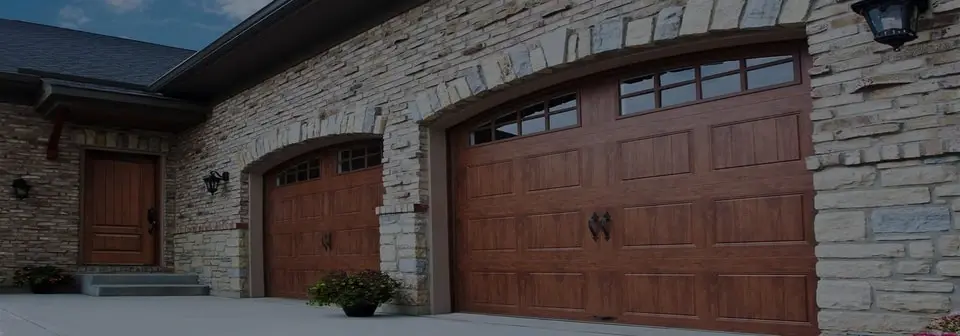
Do you often find your garage door hard to open? You are on your way to or from work, school, or that afternoon date with a friend, only to find out your garage door is acting up again. There are a lot of reasons why this happens, and you need to know the cause before you can address it effectively.
A door that suddenly feels heavy may have a broken spring, while grinding or uneven movement can point to damaged rollers, cables, or tracks. If the door is crooked or unusually heavy, do not try to lift it yourself.
Why Is Your Garage Door Hard to Open?
There are many troubleshooting tips you can follow when your garage is experiencing problems. The following tips and techniques will help you identify why your roll up door is hard to open and when to call a professional. So, let’s start.
Quick diagnosis: A heavy door may have a spring problem; a crooked door can indicate a cable issue; grinding can point to worn rollers; and a door that sticks near the floor may have an obstruction or engaged lock.
Blocked Photo Eye
Older garage doors have a photo eye, a sensor placed about six inches above the ground on the sides of the door. As small as a pea, the photo eye shoots a laser that detects if there is someone or something blocking the door. If your garage door is not opening, check if the cord connected to the photo eye is cut or damaged, especially after heavy rain. Cleaning the eye is also recommended as dirt and dust can obstruct the eye.
Photo eyes use an invisible infrared beam and primarily help prevent the door from closing on a person or object. A sensor problem is more likely to stop closing or cause reversing than to make the door physically heavy to lift. Follow the manufacturer’s instructions and learn how to adjust your garage door photo eyes.
Broken Torsion Springs
There are signs you will see when your springs are broken. You will definitely know when the torsion spring of your garage door has just been broken; you hear a loud noise similar to that of a firecracker. Often, the garage door cable will also break which can damage a car or wall or hurt someone in the way.

The garage door springs are usually the first part to break and are a common reason for garage door repair services. For safety reasons, the first thing to remember when you have a broken torsion spring or cable is to NOT try to open the door. The repair should be done by a skilled professional. Review the signs of a broken garage door spring and arrange professional garage door spring replacement.
A spring problem can also leave a door unbalanced. Only test the balance if the door appears intact, with no broken spring, loose cable, crooked movement, or unusual heaviness. Close the door fully, disconnect the opener according to its manual, and carefully lift the door to about halfway. If it drops, rises, or feels heavy, stop and call a technician. Learn more about an unbalanced garage door. Never adjust spring tension yourself.
Disconnect Mode is On
Garage door openers have a ‘disconnect’ mode (a cord, knob, or switch), allowing you to manually open or close the door. It does not take much effort to check if you have disconnected the motor by accident.
Disrupted Power Source
Simply check if your garage door opener is plugged into a working power source, or if your circuit breaker or fuse is working properly. This may sound simple, but it happens!
Locked Garage Door
After everything you have done and blurted out because of your garage door not opening, it turns out it is locked! Before getting really frustrated about it, simply check for any metal parts that may have locked the door.
Malfunctioning Remote Control
When using the remote to open the garage door but is not working, several things may have caused the problem, including:
- You are out-of-range.
- Check for any blockage or damage to the motor’s antenna.
- If the garage door opens using the wall switch, replace the battery of the remote control.
- Reprogram the remote.
If the wall switch works but the remote does not, start with the battery and range. For more checks, follow this garage door opener troubleshooting guide. If the opener itself struggles or makes unusual noises, you may need garage door opener repair.
Misaligned Door Track
An off-the-track door will surely not work properly. If your door is not rolling smoothly, investigate if the track is bent, the panel is dented, or has bulges or obstacles. Then, listen for any squeak that may indicate areas of friction and watch if the garage door slows down or gets stuck when it opens or closes.
If the track is bent or the door is rubbing, do not loosen the brackets or hammer the track back into position. A heavy door can fall or come off track. Keep clear and arrange professional garage door track repair.
Presence of an Obstacle
As a safety mechanism, garage doors involuntarily reverse if they detect something along the way. When your garage door reverses halfway after opening it for no obvious reason, it may be a sign of an unseen obstacle. Look for dirt, pieces of trash, small rocks, or any other debris. Clean it thoroughly and you should be good to go!
Too Low or High Sensitivity
Too low or too high sensitivity of the garage door opener can also be the reason it takes effort to open the door. Check the manufacturer’s instructions if you suspect a setting issue, but do not increase the opener’s force to push through resistance. A mechanical problem may need professional attention.
Worn rollers, stiff hinges, or dry moving parts can also cause squeaking and resistance. Follow the manufacturer’s lubrication instructions and see these Arizona garage door maintenance tips for routine care. If the door remains noisy, arrange a garage door tune-up.
Opening a Garage Door Manually
To open your stubborn garage door manually, here is what you need to do:
First, make sure the door is fully closed and appears safe to operate. Follow the opener manufacturer’s instructions to use the emergency release, usually the red cord attached to a lever. Lift the door carefully using both hands. If it feels unusually heavy, will not move smoothly, or has a broken spring or loose cable, stop. Do not keep yanking the release cord. Re-engage the opener according to its instructions once the door is safely closed.
Can you open a garage door with a broken spring? No. The spring helps counterbalance the door’s weight, so trying to lift it can be dangerous. Contact a professional, especially if your vehicle is trapped inside.
Questions
Why does my garage door get stuck?
A garage door sticking halfway can be due to an obstruction in the track. Look for anything like a broom or rocks that may have fallen and got stuck in the track. Removing the obstruction usually solves the problem.
Why is my garage door opening so slow?
There can be a couple of reasons why a garage door is opening slower than normal. It may be that the opener’s speed setting needs adjustment, or you have not lubricated the hinges, rollers, and tracks.
If cleaning and manufacturer-approved maintenance do not help, worn rollers, poor balance, or an opener fault may be responsible. Avoid changing force settings to compensate for resistance.
How can I make my garage door easier to open?
First, identify what is causing the resistance. You can clear loose debris, check the lock, and clean photo-eye lenses when safe. If the door is heavy, crooked, or difficult to lift, stop using it and arrange a professional inspection rather than adjusting springs or cables yourself.
Can I use WD-40 on my garage door?
Use the lubricant recommended by your garage door and opener manufacturers. Follow the manual’s instructions about which parts need lubrication; avoid applying products indiscriminately to every component.
Why did my garage door suddenly become heavy?
A sudden change in weight can indicate a broken or weakened spring, a cable problem, or a door that has come out of alignment. Stop operating the door if it feels unusually heavy or uneven, and contact a professional.
How heavy should a garage door feel?
A properly balanced garage door should move smoothly and should not feel excessively heavy when tested under safe conditions. If it drops, rises on its own, or is difficult to lift, it may need a balance or spring inspection. Do not perform a balance test if you suspect a broken spring or damaged cable.
How much does garage door spring repair cost?
Spring replacement typically costs $200–$400. The exact price depends on the door and the repair needed. See the Arizona garage door repair cost guide.
Need Professional Garage Door Service?
If you're experiencing garage door issues or need professional maintenance, our licensed team is here to help.


