
Fire Door Drop Test: Annual Requirements for Arizona Businesses
A fire door drop test checks that rolling fire doors close and latch as designed. Learn what the annual test involves and how to prepare your Arizona facility.
What Is a Fire Door Drop Test?
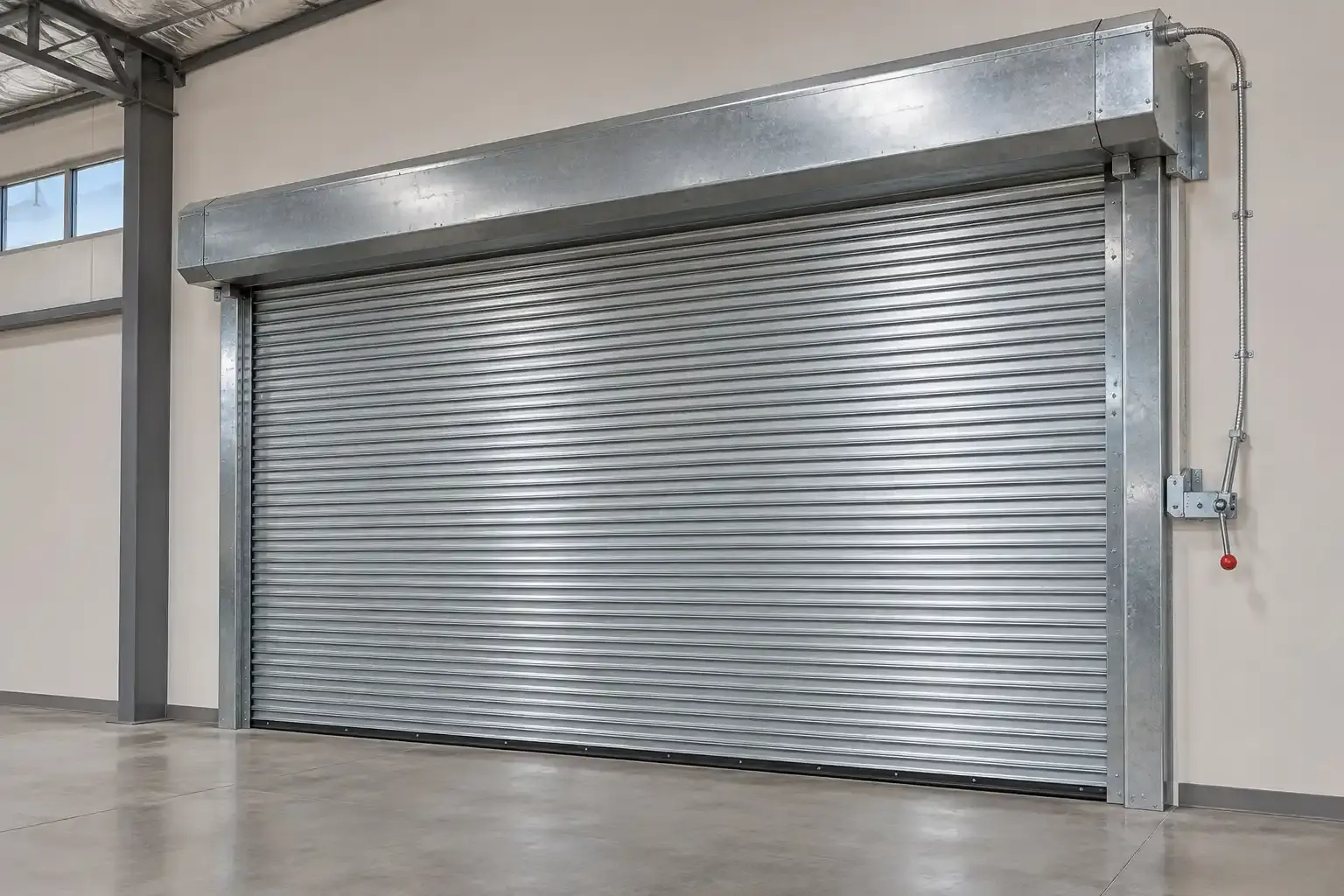
A fire door drop test releases a rolling fire door so it closes the way it would in a real fire. The inspector confirms the door travels fully, closes properly, and is ready to be reset. The test is part of the annual inspection NFPA 80 requires for fire door assemblies.
Who Needs One in Arizona?
Any building with fire-rated doors needs them checked, including warehouses, hospitals, schools, hotels, and manufacturing sites. Rolling steel fire doors across dock openings and corridors are common candidates.
Local rules can differ. Your fire marshal or building official has the final word on what applies to your property, so confirm requirements with them. On Track’s fire door installation and testing page lists NFPA 80 inspections, drop testing, and compliance support for Arizona commercial properties.
What Happens During the Test
- Clear the opening. Move pallets, carts, and stored items out of the door’s path.
- Review the assembly. The inspector checks labels, slats, guides, and hardware.
- Release the door. The closing system is triggered, often through a fusible link or alarm connection.
- Watch the closing. The door should travel smoothly and close fully.
- Reset and document. Reset the door and record your findings, noting any repairs.
Our technicians also take gap measurements, check hardware function, and inspect smoke seals as part of the annual inspection.
Why Doors Fail the Test
Drop tests expose problems that daily use hides. Common culprits include worn or bent guides, blocked paths, weak springs, damaged curtains, and motors or operators that no longer release correctly.
A door struck by a forklift often looks fine until the test. If the opening also serves as a daily-use door, ask your technician to check it during routine service. On Track’s commercial door maintenance page covers the track, spring, and safety checks that keep doors ready.
Rolling Fire Doors vs Other Fire-Rated Doors
Rolling steel fire doors coil above an opening and drop on release. Swinging and sliding fire doors close differently and are checked for latching, closers, and gaps. The annual inspection covers all of them, but the drop itself applies to the doors that fall.
Ratings also vary. Fire doors carry ratings measured in minutes or hours, and On Track’s fire door page lists 20-, 45-, 60-, 90-, and 180-minute ratings for different uses. A rating is a feature of the labeled assembly, so replacing a slat, frame, or hardware with the wrong part can undo it.
How to Prepare Your Site
A little preparation makes the visit faster and the results cleaner:
- Clear a wide path under and around each rolling fire door.
- Tell staff the day and time so no one gets caught on the wrong side.
- Gather past inspection reports and repair notes.
- Flag doors that have been hit, repaired, or reconfigured since the last test.
- Make sure the door is not blocked open or wedged for convenience.
What a Good Inspection Report Includes
A useful report is more than a pass or fail. Look for the door location, the date, what was tested, the results, and a clear list of any items that need correction. On Track’s fire door service includes inspection reports and corrective action recommendations.
Keep that paperwork. If a fire marshal or insurer asks, a complete record shows that the doors are tested on a regular schedule, not only after a problem.
Common Mistakes Businesses Make
Most compliance problems come from habit, not bad intent. Watch for these:
- Blocking a rolling fire door open with a wedge or stored goods
- Skipping the annual visit because the door looked fine
- Repairing a door with non-listed parts
- Painting or modifying labeled components
- Losing the paperwork after a change in managers
Fixing these now costs far less than discovering them during a fire marshal visit.
Keep Your Records Ready
Inspectors and fire marshals expect documentation. Store inspection reports, repair notes, and test dates where managers can find them quickly. Note any failed items and the date they were corrected.
Plan the test before it is urgent. Finding a door out of compliance at the last minute leaves little time for parts or repairs.
Frequently Asked Questions
How often is a fire door drop test required?
NFPA 80 calls for annual inspection and testing of fire door assemblies. Confirm local requirements with your fire marshal.
Does the test disrupt operations?
It temporarily closes the opening. Clear the area ahead of time and schedule the test around deliveries.
Who can perform the test?
A qualified, trained technician. Choose a provider that documents the inspection and any repairs.
What if my fire door fails?
The technician records the problem and recommends repairs. Fix it promptly, then retest and keep the record.
Can I prop a fire door open?
No. A fire door is meant to close on release, so wedges, stored items, or unapproved devices can defeat its purpose.
Can I test my own fire doors?
Annual testing should be done by trained, qualified personnel. A do-it-yourself drop can damage the door or miss safety issues.
What records should I keep?
Keep inspection reports, test dates, repair notes, and proof that you corrected failed items.
Do all rolling doors need a drop test?
No. The test applies to fire-rated rolling doors, not standard security shutters or service doors.
Schedule Your Annual Test
If your fire doors have not been checked this year, send us a note, and we will help you plan the visit. Start with the contact page and tell us how many fire doors your site has.
Need Professional Garage Door Service?
If you're experiencing garage door issues or need professional maintenance, our licensed team is here to help.


