
Garage Door Tune-Up Cost: What’s Included and Is It Worth It?
Garage door tune up cost depends on door count, opener type, and what the inspection finds. See what a 17-point service covers and whether it pays off.
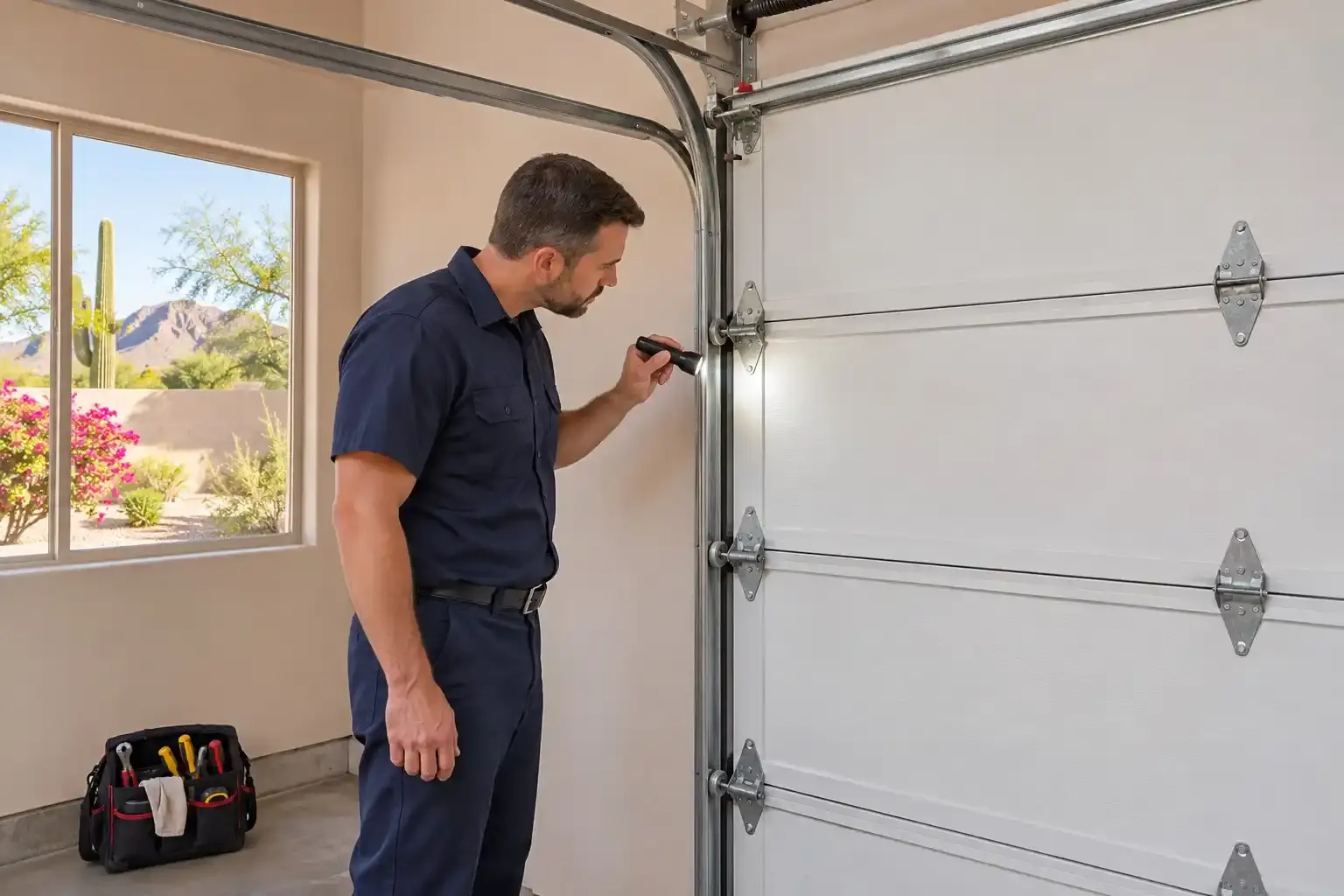
Garage door tune up cost is the first question most homeowners ask, and the honest answer is that the bill depends on how many doors you have and what the inspection finds. A better question is what you get for it, and whether skipping it costs more.
What Does a Tune-Up Actually Include?
A professional tune-up is an inspection plus adjustment, done before something breaks. On Track’s service is built around a 17-point check, and its tune-up page lists these items:
- Spring and cable inspection for wear, fraying and rust
- Tightening of brackets, hinges and bolts
- Balance test and safety auto-reverse test
- Photo-eye check
- Lubrication of rollers, hinges and springs
- Track cleaning
- Opener motor, gear, and drive inspection
On Track also lists limit resets and weather seal inspection in its service work, steps that tend to get skipped when homeowners try the job themselves.
What Changes the Final Bill?
Garage door tune up cost moves with the number of doors, the opener type, and whether the inspection turns up worn parts. We quote any replacements before extra work begins, so the tune-up stays separate from repairs.
A two-car home with two single doors takes longer than one wide door. A chain-drive opener needs tension adjustment that a belt drive does not. You can read the full tune-up service details before booking.
Is a Tune-Up Worth It in Arizona?
Usually, yes. Summer garages can pass 130°F, which breaks down lubricant and wears springs and opener electronics. Monsoon dust then clogs tracks and wears rollers.
Weigh garage door tune up cost against an emergency call for a snapped spring, and prevention tends to win. Annual service suits most homes. Heavy-use households, around four or more cycles a day, may want it twice a year.
The less obvious payoff is safety. The auto-reverse and photo-eye tests confirm the features that protect kids and pets still work, and those fail silently.
How Do You Know a Door Needs One Now?
Do not wait for the calendar if the door is telling you something:
- Grinding or squeaking points to dry hardware
- Slow or hesitant travel suggests a spring tension issue.
- Jerky movement often means a track or roller problem.
- Gaps along the bottom mean a worn weather seal.
- Rust on springs or frayed cables needs attention soon.
What Does the Technician Check on the Springs?
Springs get special attention because they carry the door’s weight and fail without much warning. The inspection looks at tension, visible wear, and how much life the spring has left.
Rust on the coils or a faint gap is the cue to plan a replacement before the spring snaps. Catching it during a scheduled visit turns a surprise emergency into a booked appointment.
Does Monsoon Season Change the Checklist?
It does. Before the storms, a pre-monsoon visit checks the weather seals, clears accumulated dust from the tracks and confirms the door closes completely to keep water and debris out. Brackets and track alignment get a second look because wind loosens hardware.
Power outages are common in storms too. On Track says it shows homeowners how to run the door by hand during an outage and recommends battery backup openers where reliable access matters.
Tune-Up or Repair: What Is the Difference?
A tune-up is preventive. It keeps a working door working. A repair fixes something that has already failed, such as a snapped spring, a frayed cable or a dead sensor.
The two often overlap in practice. A tune-up that finds a worn roller can lead straight into a small repair, which is exactly the point. You pay to fix a roller instead of a track.
What Can You Do Between Visits?
Small habits catch trouble early. On Track’s monthly maintenance guide walks through a quick visual check, a balance test and an auto-reverse test.
Use silicone-based spray or white lithium grease on hinges and rollers, never a solvent like WD-40 on springs. Leave spring and cable work to a pro. If a spring does fail, see the spring replacement service.
Who Benefits Most From a Tune-Up?
Nearly every door gains something, but a few situations make it close to essential:
- A door that has never been professionally serviced
- A home you just bought, where the door’s history is unknown
- Heavy daily use, such as a busy family or a home business
- Doors with visible rust, noise or uneven movement
If your door fits any of those, an inspection gives you a baseline and a written to-do list.
Frequently Asked Questions
How often should I get a tune-up?
Once a year for most Arizona homes. Busy households may benefit from twice a year.
Can I do the maintenance myself?
You can safely lubricate hinges and rollers. Professionals should handle spring adjustment, cable work, and safety testing.
How long does a tune-up take?
About 30 to 45 minutes for one door and roughly an hour for two.
Will the technician push repairs I don’t need?
A good one explains what needs attention now and what can wait. Ask for that split in writing.
Does a tune-up fix a noisy door?
Often. Dry rollers and hinges cause most noise, and lubrication plus tightening usually quiets them. Worn parts still need replacing.
What is a typical garage door tune up cost?
It depends on door count and condition, so request a quote rather than relying on averages.
Heading into next summer’s heat? Schedule a tune-up before the first 110-degree week finds your weak spot.
Need Professional Garage Door Service?
If you're experiencing garage door issues or need professional maintenance, our licensed team is here to help.


