
Dock Leveler Maintenance Checklist: Get Your Loading Dock Ready for Peak Season
Prepare your loading dock for peak season with this dock leveler maintenance checklist covering hydraulics, hinges, safety features, and inspections.
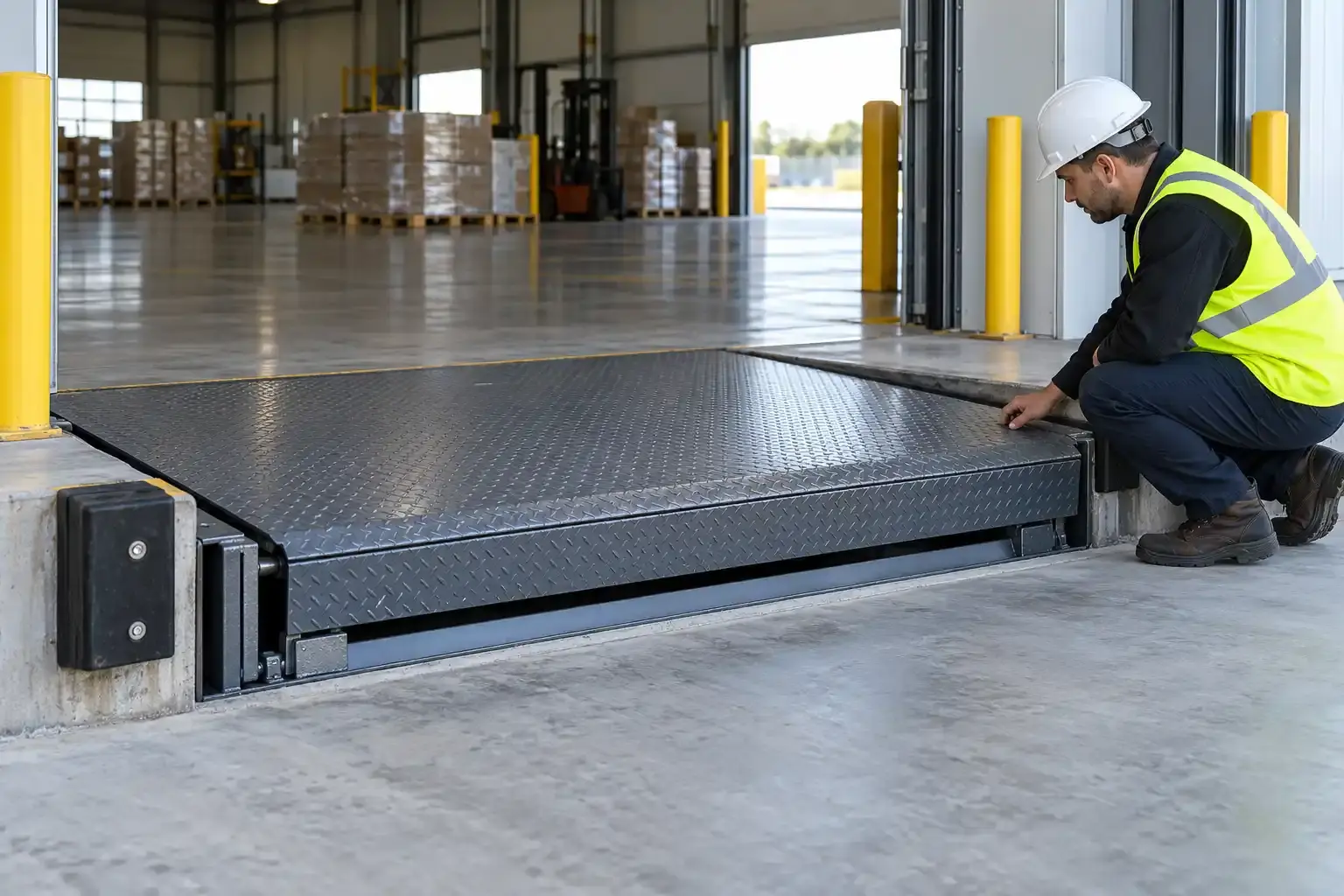
When shipments arrive faster and trucks spend less time at the dock, even a small equipment problem can disrupt operations. A dock leveler that sticks, moves unevenly, or fails to sit securely can delay loading, affect schedules, and create safety risks.
That’s why dock leveler maintenance matters before peak season begins. Regular inspections help identify worn components, fluid leaks, and operating issues before increased demand puts extra pressure on your loading dock.
Quick Overview: What to Check
- Inspect the platform, hinges, and visible structural components.
- Check hydraulic systems for leaks and unusual movement.
- Examine the lip and other moving parts.
- Test safety features according to the manufacturer’s instructions.
- Keep the pit and surrounding area clear of debris.
- Schedule professional service for damaged or unreliable equipment.
1. Inspect the Platform and Structural Components
Start by examining the platform for cracks, bending, damaged welds, and excessive wear. Pay attention to areas exposed to repeated loading, forklift traffic, and impact.
Check visible hinges, pins, and mounting points for damage or unusual movement. Heavy workloads can gradually wear down components, particularly during busy shipping periods.
Have damaged structural parts assessed before returning the leveler to normal service. Never work beneath a raised platform unless it is secured using approved maintenance supports and required lockout procedures.
2. Check Hydraulic Components for Leaks
Hydraulic dock levelers rely on fluid pressure to raise and lower the platform. Problems with hoses, fittings, cylinders, or fluid levels can affect performance and cause downtime.
Look for visible fluid around hydraulic lines, fittings, and the equipment pit. Notice any unusual noises, jerky movement, slow lifting, or difficulty returning the platform to its resting position.
Address these warning signs promptly, especially before shipment volumes increase. Never touch leaking pressurized components or attempt repairs yourself. Hydraulic fluid can escape under high pressure and cause serious injuries. Have a qualified technician inspect and service the system.
3. Examine the Lip, Hinges, and Moving Parts
The dock leveler’s lip creates a bridge between the platform and the truck bed. It must extend and retract correctly to provide a stable transition for equipment and materials.
Check for visible damage, excessive wear, binding, and uneven movement. Look for debris around accessible hinge areas and signs of deterioration.
During an approved operating test, observe whether the lip deploys and returns properly. If it sticks, fails to extend fully, or makes unusual noises, stop using the leveler until it has been assessed.
Never force a stuck lip or try to free moving parts by hand. These mechanisms can create pinch and crush hazards.
4. Test Safety Features and Operating Controls
Check operating buttons, switches, and controls for visible damage and reliable response. Depending on the model, safety features may include maintenance supports, velocity fuses, emergency stops, and other protective mechanisms.
Follow the manufacturer’s instructions to verify that installed safety features work correctly. Never bypass a safety device to keep shipments moving. If a control behaves unpredictably or a safety feature fails, remove the equipment from service and arrange professional inspection.
Record problems and repairs so your maintenance team can track recurring faults and confirm corrective work is complete.
5. Clean the Dock Pit and Surrounding Area
Dust, packaging scraps, pallet fragments, and other debris can collect around a loading dock. Material entering the leveler pit may interfere with moving components or make inspections more difficult.
Remove loose debris from accessible areas using approved cleaning procedures. Keep the approach clear and check for obstructions that could interfere with the platform or lip.
Before anyone enters the pit, secure the leveler according to the manufacturer’s procedures and apply required energy isolation and lockout/tagout measures. Never rely on the platform’s position alone to protect someone working underneath it.
6. Review Lubrication and Routine Servicing
Moving components may require lubrication at intervals specified by the manufacturer. Using the wrong product or lubricating the wrong areas can attract dirt or interfere with operation.
Check the maintenance manual for approved lubricants, service points, and recommended intervals. Do not assume every hinge, bearing, or hydraulic component requires the same treatment.
Keep records of completed maintenance, replaced parts, and recurring issues. Consistent documentation helps identify equipment that needs extra attention.
Repairs involving hydraulic systems, electrical components, or stored mechanical energy should be handled by trained personnel following approved safety procedures.
7. Prepare a Maintenance Plan Before Peak Season
A checklist is useful only when it leads to action. Review inspection records before shipment volumes increase, and identify equipment with recurring faults, overdue servicing, or unresolved repair recommendations.
Prioritize issues affecting safe operation, platform stability, hydraulic performance, or secure truck access. Arrange necessary repairs before the busiest period rather than waiting for a breakdown during a shift.
Your maintenance plan should include:
- Scheduled visual inspections
- Manufacturer-recommended servicing
- Clear procedures for reporting faults
- Records of repairs and replaced components
- Staff training on safe operation
Inspection frequency should reflect equipment condition, usage, operating environment, and manufacturer guidance.
Frequently Asked Questions
How often should dock levelers be inspected?
Follow the manufacturer’s recommendations and your facility’s safety procedures. Routine visual checks and scheduled professional maintenance can help identify developing problems.
What are common signs that a dock leveler needs repair?
Warning signs include hydraulic leaks, unusual noises, uneven movement, a lip that fails to deploy correctly, and visible structural damage.
Can employees perform dock leveler maintenance?
Trained employees can complete authorized visual checks and report problems. Repairs involving hydraulics, electrical systems, stored energy, or work beneath the platform require qualified personnel and approved safety procedures.
Why maintain dock levelers before peak season?
Preventive maintenance helps identify developing faults before increased traffic puts additional pressure on equipment. It can reduce avoidable downtime and support safer loading and unloading.
Keep Your Loading Dock Ready for Peak Season
A well-maintained dock leveler supports safer material handling and more reliable operations. Inspect critical components, address warning signs promptly, and follow the manufacturer’s servicing requirements.
If your loading dock equipment needs attention, contact OnTrack Garage Door Service to discuss available service options and prepare your facility for peak season.
Need Professional Garage Door Service?
If you're experiencing garage door issues or need professional maintenance, our licensed team is here to help.


