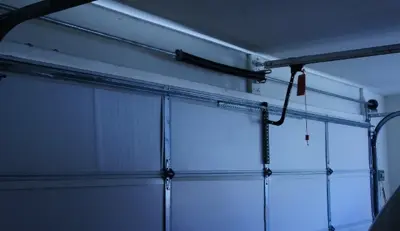
Common Winter Time Garage Door Problems
Cold temperatures thicken lubricants, weaken springs, and slow motors. Learn the common winter garage door problems and how to prevent them.
 The drop in temperature that accompanies the winter months can adversely affect the functionality of your automatic garage door system. Depending on where you live and how extreme the winter months are, the severity of these effects on your automatic garage door system will vary. We are going to briefly outline some of the common issues that you may run into will old man winter is in town.
An Excess of Grease
It is possible to experience this during any time of the year, but it will be a bigger problem during the winter time. Having too much grease on the tracks can cause your door to move out of proper alignment. If it remains off track for an extended period, it can damage your entire system. Finding the right lubrication level for the winter months is key to avoiding complications from excess grease.
Metal Can Possibly Contract
When the temperature passes a certain threshold on the cold side, metal begins to contract, which cause its shape to change to varying degrees. Most of the moving components of your automatic garage door system are metal and are created according to the specifications of your system. When the components begin to change shape, even slightly, the system’s functionality loses efficiency. You cannot completely prevent metal from contracting in cold weather. You can lessen the effect by liberally applying oil to your springs, screw-drive, and ball bearings. Make sure to keep this oil away from the tracks to avoid them developing excess grease.
Thickening of grease
The root of this problem is the fact that most lubricating grease is designed to function in extremely high levels of heat. When they heat up they thin somewhat which enhances their lubricating properties. The problem with this is that extremely cold temperatures have the opposite effect, causing the grease to thicken and lose lubricating efficiency.
Rollers Getting Off Track
During the winter you’re at greater risk of experiencing your rollers getting off track. This can potentially be caused by a combination of the above issues coming to pass. If your rollers do become off track, your garage door can become a hazardous and the issue should be attended to as soon as possible.
Slow Automatic Garage Door Operation
If it gets cold enough, the motor for your automatic garage door system can be adversely effected and run noticeably slower than usual. Some automatic garage openers are not designed for temperatures below the freezing level, which could damage them if too extreme. Many garage door openers have a torque setting on them that you can adjust. If you notice that your garage door is opening slowly, adjust the torque setting in small increments until you notice the door opening at or near its usual pace.
Broken Springs
Springs are very important components to any automatic garage door system. During the winter, the cold temperatures can weaken the springs to the point that they actually break. If you suffer one or more broken springs your garage door system will not function properly.
Sensor Damage
Cold temperatures can also damage the sensors that prevent your garage door from opening or closing properly. The sensors are a safety measure to prevent the garage door from closing on any object or person who may be in the path of the closing door. Damaged sensors can lead to injury and damaged property, including your automatic garage door system itself.
Need Professional Garage Door Service?
If you're experiencing garage door issues or need professional maintenance, our licensed team is here to help.